K1 Chinese Enrichment Class in Singapore

Skylace offers a structured K1 Chinese enrichment class in Singapore designed to help Kindergarten 1 learners build stronger Mandarin foundations through engaging, age-appropriate learning. The programme focuses on vocabulary development, listening and speaking familiarity, word recognition and early sentence awareness so children become more comfortable with Chinese and more confident in using it.

K1 is an important stage because children are moving beyond early exposure and beginning to build more consistent language habits. At this stage, they benefit from structured Mandarin support that helps them become more familiar with Chinese, respond more confidently and strengthen the foundation they need before progressing to K2 and Primary 1.
Enquire Now

Why a Chinese Enrichment Class for K1 Matters

Kindergarten 1 is a valuable stage for building Mandarin familiarity before children move into more demanding language expectations. At this age, many children benefit from consistent exposure, guided repetition and a structured environment that helps them feel more comfortable hearing and using Chinese.

A strong K1 foundation can help children recognise more words, enjoy Mandarin more naturally and build confidence in listening and speaking before they progress into K2 and eventually Primary 1. Instead of relying on memorisation alone, structured K1 Chinese enrichment helps children connect sounds, words and meaning more clearly.

For many learners, this stage is about becoming comfortable with Mandarin as part of their daily routine, building vocabulary through stories and songs, and feeling more willing to respond when prompted in class or at home.

What Children Learn in Our K1 Chinese Enrichment Class

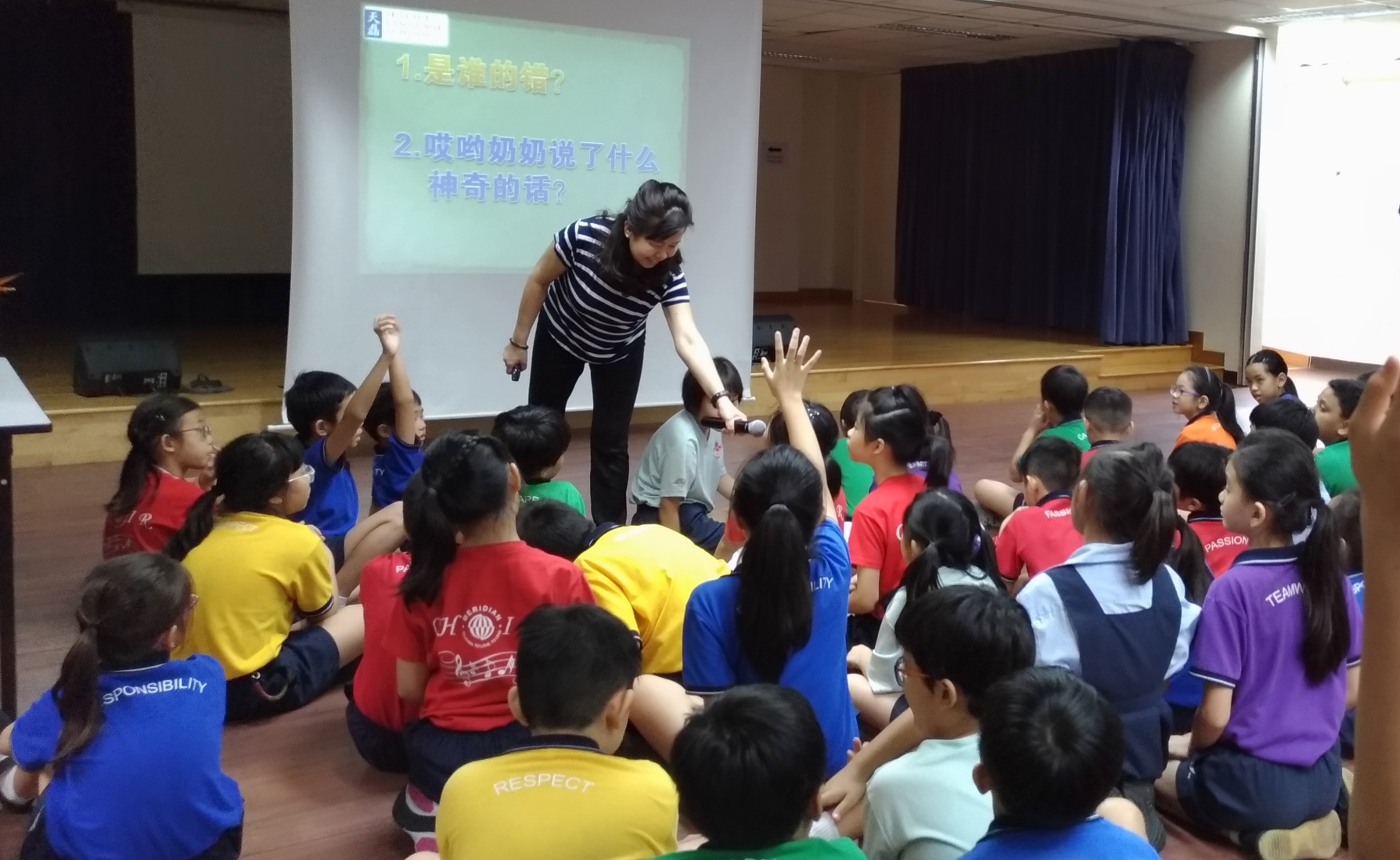
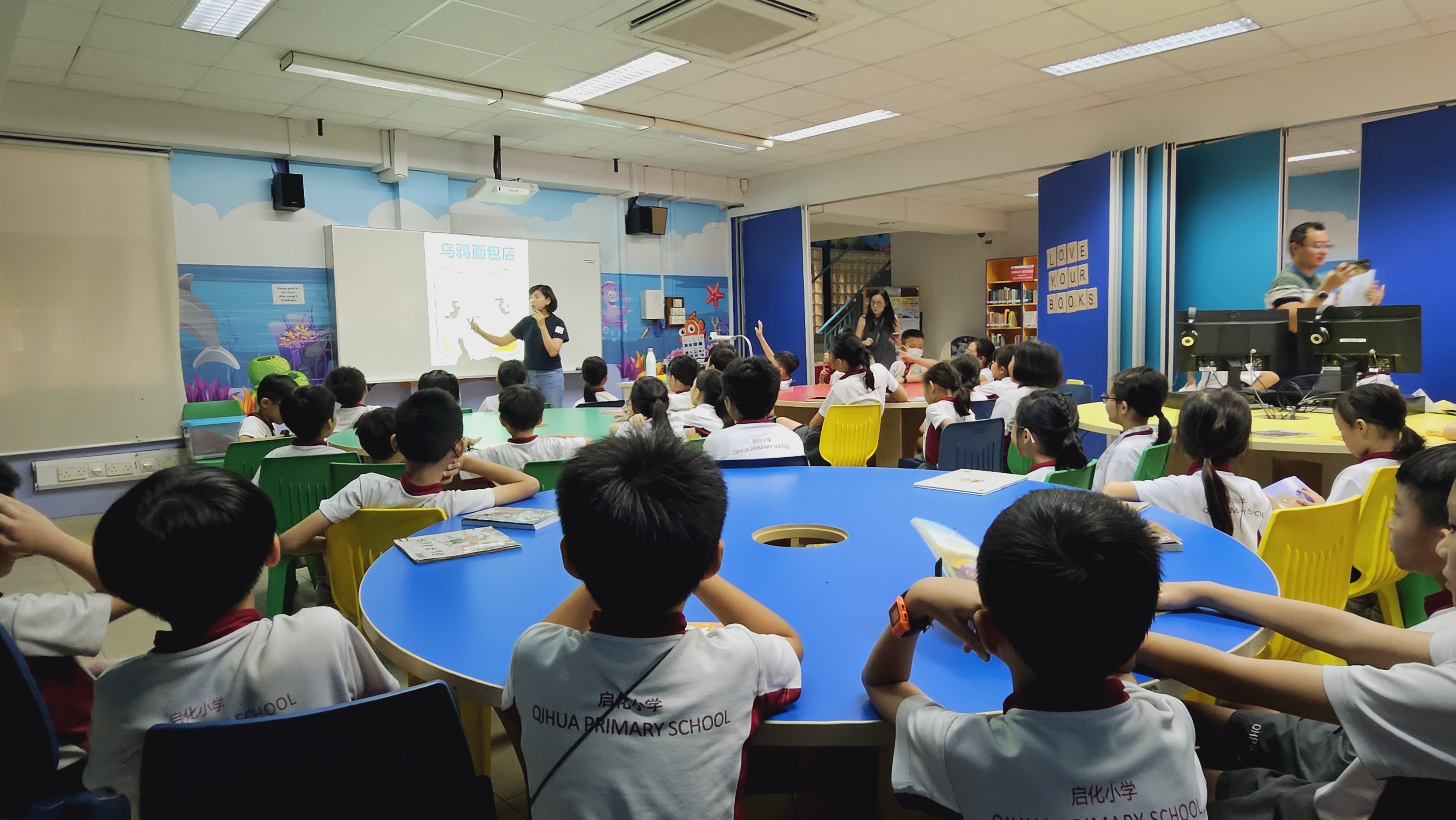
The K1 programme supports Mandarin learning through guided activities, stories, songs and play-based interaction. Children build vocabulary, listening skills and confidence at a steady pace.

Vocabulary Expansion

Children are introduced to useful words through guided repetition, picture-based learning, songs and everyday classroom use so they can build a stronger foundation in Mandarin.

Listening and Spoken Familiarity

Rhymes, storytelling and teacher-led activities help children become more comfortable hearing and responding to Mandarin in a natural, structured environment.

Word Recognition Through Play

Children strengthen early recognition through visual cues, engaging activities, stories and interactive classroom tasks.

Early Sentence Awareness

Children begin to understand simple sentence patterns and how words work together, helping them respond more clearly over time.

Confidence in
Speaking

With guided support and small-group participation, children have more opportunities to speak, repeat, respond and build confidence in Mandarin.

School-Readiness Foundations

The programme helps children build the familiarity and confidence they need before progressing into more advanced preschool Mandarin learning.

How Mandarin Learning Is Structured for K1 Learners

At Skylace, K1 Mandarin enrichment is designed to help children first feel familiar with the language, then gradually use it with more confidence through guided classroom routines and meaningful repetition.

Stage 1: Familiarity and Recognition

• Listening to Mandarin through stories, songs and rhymes
• Recognising common words through play and visuals
• Becoming comfortable with classroom Mandarin exposure
• Building attention, routine and participation

Learn more 了解更多

Stage 2: Guided Language Use

• Responding to simple prompts
• Using vocabulary more meaningfully
• Understanding basic sentence patterns
• Expressing ideas with more confidence

Learn more 了解更多
This progression helps children build real familiarity before being asked to use Mandarin more independently. It supports more natural language growth while keeping lessons engaging and age-appropriate.

What a Typical K1 Mandarin Lesson Supports

Each lesson combines multiple activities to keep young learners engaged whilst reinforcing vocabulary, listening and early sentence awareness.

Animated Storytime

Children listen to engaging stories that build vocabulary, attention and understanding.

Songs and Rhymes

Rhythm and repetition help children become more familiar with sounds, tones and common phrases.

Interactive Activities and Word Games

Play-based learning helps children stay engaged while reinforcing word recognition and language familiarity.

Point and Read Activities

Children begin connecting spoken Mandarin with visual recognition and early reading habits.

Early Writing and Character Awareness

Children are gradually introduced to characters, stroke order or sentence structure in an age-appropriate way.

Why Build Mandarin Confidence Early

Many children find Mandarin challenging, but not because they are incapable of learning Chinese. More often, they struggle because Mandarin still feels unfamiliar, they do not hear enough of it outside class or they have not yet built enough confidence to use it meaningfully.

Common challenges K1 learners face include:

Limited Mandarin Exposure at Home

Some children mainly hear and use English, so Chinese feels less familiar outside class.

Weak Vocabulary Retention

Children may remember words briefly but forget them when they do not use them in meaningful situations.

Low Confidence in Speaking

Some learners know a few words but hesitate to respond because they are unsure about pronunciation or structure.

Difficulty Connecting Words to Meaning

Children may hear Mandarin in class but need more visual, story-based and guided repetition to understand and retain it.

Need for More Structured Language Input

Without a clear learning sequence, children may enjoy exposure but not progress steadily in comprehension or expression.
At Skylace, lessons are structured to strengthen listening, vocabulary, recognition and early expression progressively, instead of relying only on memorisation.

Is This the Right Chinese Enrichment Class for Your K1 Child?

This programme may be suitable if your child:

 • Is in Kindergarten 1
 • Has limited Mandarin exposure at home
 • Needs more vocabulary and listening support
 • Is shy or hesitant when responding in Chinese
 • Would benefit from stories, songs and guided learning
 • Needs a stronger language foundation before K2

Whether your child is new to Mandarin or simply needs more structured support, this K1 programme helps build familiarity, participation and confidence at a steady pace.

Why Parents Choose Skylace for K1 Chinese Enrichment

Skylace combines structured Chinese enrichment with age-appropriate language development, helping young learners strengthen vocabulary, listening, speaking and confidence through a clear preschool progression.

Founded in 1989

Skylace is Singapore's first private Chinese language school certified by the Ministry of Education, with over 20,000 students served since 1989.

Structured Progression from Preschool Onwards

The programme supports learners from preschool through primary, secondary and exam-focused stages, providing continuity and a consistent teaching philosophy as children grow.

Small-Group Learning

Small class sizes provide more individual attention and a less intimidating environment for shy or hesitant learners.

Experienced Early-Years Teachers

Our teachers are trained to work with young children and understand how 4-5 year olds learn best through play, repetition and encouragement.

MOE-Aligned Curriculum

Lessons are aligned with Ministry of Education expectations, ensuring children build skills that support their school Chinese learning.

Engaging, Story-Based Learning

Teachers use songs, rhymes, visual aids and interactive activities to keep young learners engaged whilst building Mandarin foundations.

Focus on Understanding, Not Just Memorisation

Children learn to connect sounds, words and meaning through context and repetition, building real language ability rather than rote learning.

Regular Progress Updates

Parents receive feedback on their child's development, so you can see how vocabulary, confidence and participation are growing over time.

Proven Long-Term Results

Many families start with us at K1 and continue through primary and secondary levels, trusting Skylace to support their child's entire Mandarin learning journey.

Frequently Asked Questions About K1 Chinese Enrichment

What is a Chinese enrichment class for K1?

A Chinese enrichment class for K1 helps Kindergarten 1 learners (typically aged 4-5) build Mandarin familiarity, vocabulary, listening, speaking and early sentence awareness through structured, age-appropriate lessons that use stories, songs and play-based activities.

We mostly speak English at home. Will my child struggle in this class?

No. Many of our K1 students come from English-speaking homes. The programme is designed to support children with limited Mandarin exposure through visual cues, songs, storytelling and step-by-step guidance that makes learning feel natural rather than forced.

Is 4 years old too young to start structured Chinese enrichment?

Not at all. K1 (age 4-5) is an ideal stage because children are naturally curious, absorb language patterns quickly and benefit from structured exposure before Primary 1 expectations increase. Our lessons are designed to be engaging and age-appropriate, not stressful or overly academic.

How often should my child attend K1 Chinese enrichment classes?

For best results, we recommend consistent weekly attendance. Regular exposure helps children build familiarity, retain vocabulary and develop confidence more effectively than irregular attendance. Consistency matters more at this age than intensity.

When will I start seeing progress in my child's Chinese?

Most parents notice small changes within the first term, such as increased willingness to respond in Mandarin, recognising more characters and showing less resistance to Chinese activities. Clearer improvements in vocabulary use and oral confidence typically appear after two to three terms of consistent attendance.

Is the class too advanced for children who are still new to Mandarin?

No. K1 enrichment should be designed to support familiarity first, using stories, songs, visual cues and guided participation to make learning manageable.

What is the difference between K1 and K2 Chinese enrichment?

K1 focuses on early exposure, familiarity, basic vocabulary, listening and play-based confidence. K2 becomes more structured around sentence formation, character recognition, simple reading, Hanyu Pinyin awareness and stronger preparation for Primary 1 literacy expectations.

How do I know if my child needs K1 Chinese enrichment?

If your child has limited Mandarin exposure, finds it hard to respond in Chinese, or would benefit from more structured language support, K1 enrichment may be helpful.

My child is shy and rarely speaks Mandarin. Is this class suitable?

Yes. Many children at K1 age understand some Mandarin but hesitate to speak due to uncertainty about pronunciation or sentence structure. Small-group settings and guided practice provide low-pressure opportunities to build confidence without overwhelming them.

What if my child cries or refuses to participate in class?

Our teachers are experienced with young children and trained to handle reluctance gently. We use engaging activities, small groups and positive encouragement to help children feel safe and willing to participate. Most children settle within a few sessions once they feel comfortable with the routine and teacher.

Can I observe a trial class before enrolling?

Yes. Contact Skylace to arrange a trial class or centre visit so you can see the teaching approach, meet the teachers and observe the learning environment before enrolling your child. This helps both you and your child feel more comfortable with the decision.

Why choose Skylace over other Chinese enrichment centres in Singapore?

Skylace offers long-term progression from preschool through primary, secondary and exam-focused stages, with over 35 years of experience as Singapore's first private Chinese language school certified by the Ministry of Education. Many families stay with us for years because the structured approach emphasises understanding and confidence, not just memorisation, and teachers know how to support different learning styles and paces.
WhatsApp Chat